


Sections
Start — Introduction — Research Methods — Development of the Program — Participants and Program Components — Program Effects — Discussion and Conclusion — References
Program Participants
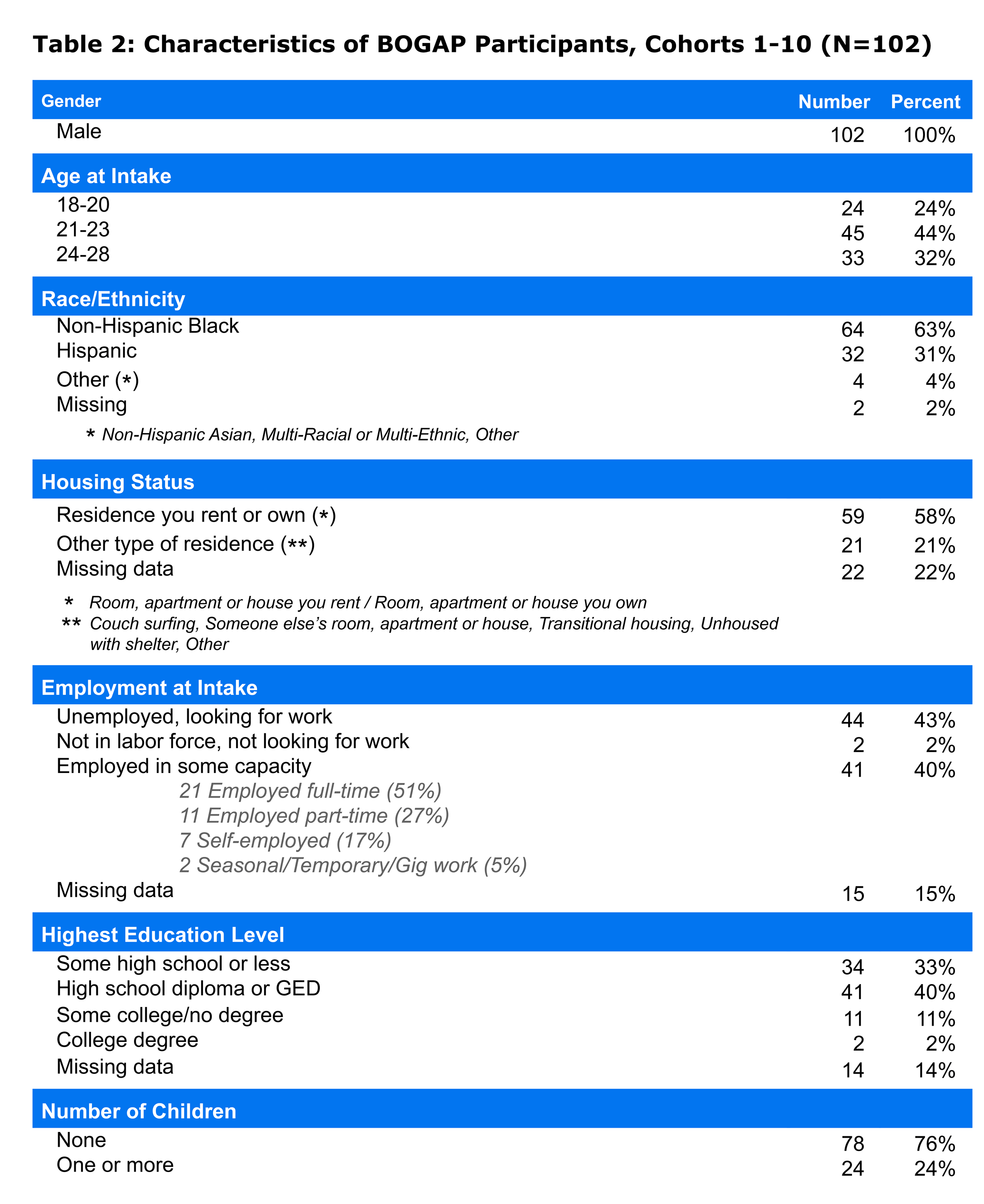
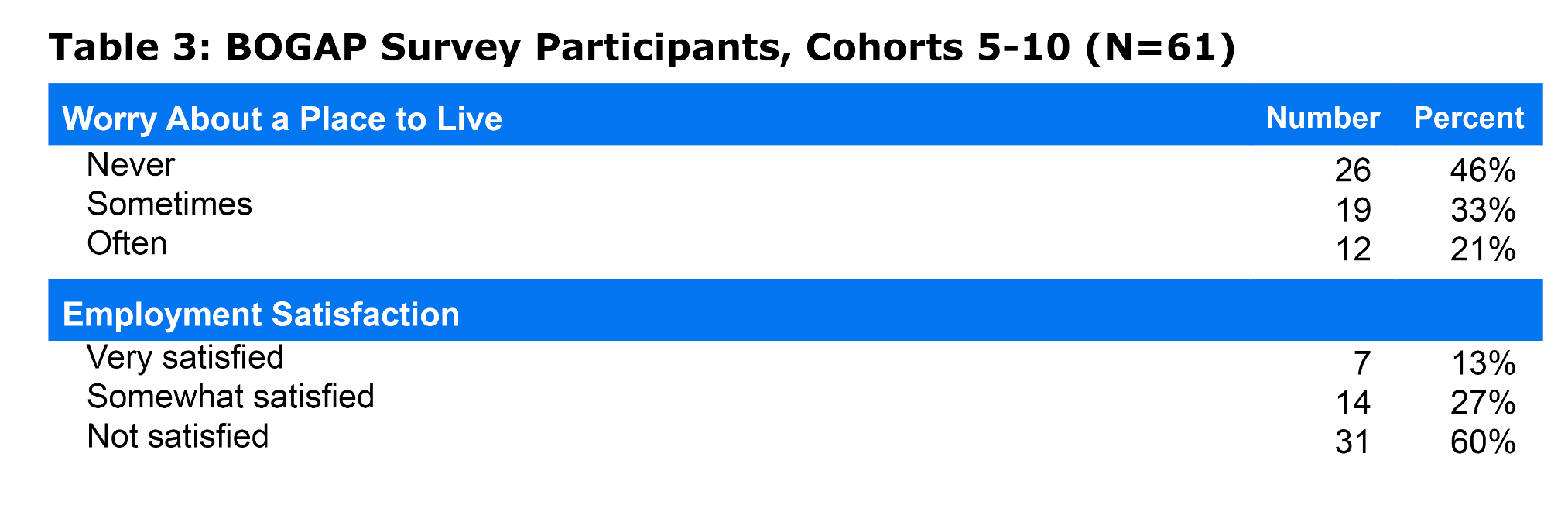
The NIJ evaluation of BOGAP focused on 102 4program participants in the first 10 cohorts (Tables 2 and 3). All participants were male, with the largest proportion (44%) aged 21-23 years. Almost all participants were of either non-Hispanic Black (63%) or Hispanic (31%) ancestry. Nearly a quarter (24%) of participants had at least one child. More than half (58%) lived in a residence they rented or owned upon program entry. Almost two-thirds of participants answering the study’s surveys reported they either sometimes (33%) or often (31%) worried about having a place to live. Employment status at intake was split between unemployed (43%) and employed in “some capacity” (40%). Of those employed in some capacity, half were employed full-time (51%). Most survey respondents (60%) were not satisfied with their current employment. Only 13 percent reported being very satisfied with their employment at the start of the program. Nearly half of all participants (40%) had completed high school or a GED. One-third (33%) reported less than a high school education or its equivalent.
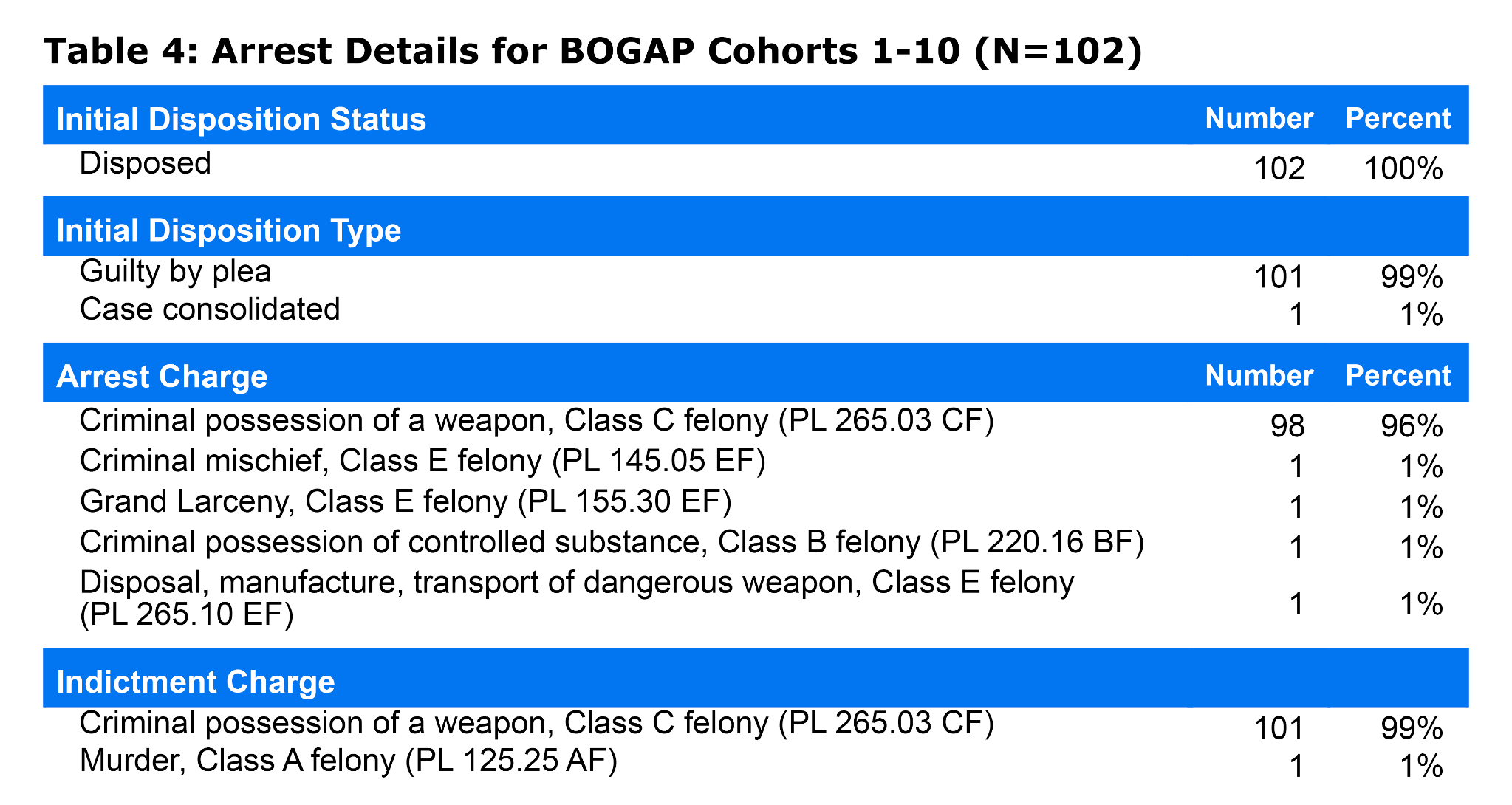
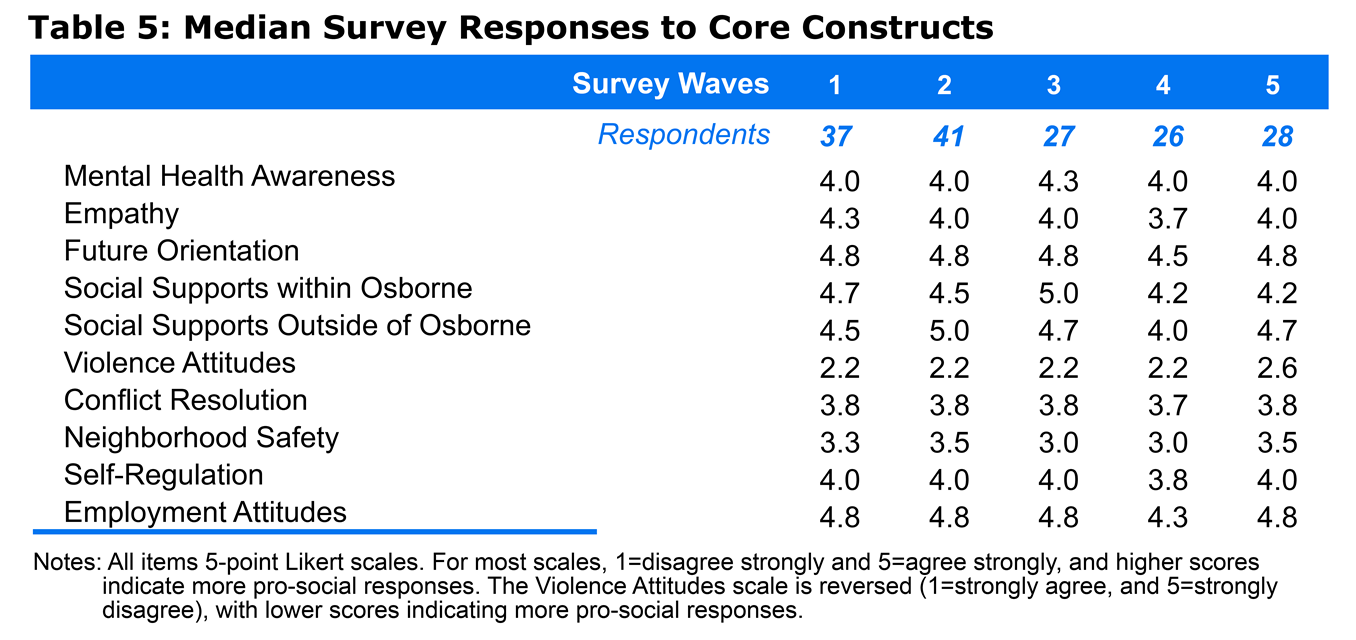
Participants in the first ten program cohorts had similar case types, arrest charges, and indictments (Table 4). Nearly all (97%) pleaded guilty to criminal possession of a weapon. Many participants reported not feeling consistently safe in their own neighborhoods, and their neighborhood context could prompt aggressive responses. BOGAP programming was designed to help participants counter this environmental “push” and to provide a safe space where they could grow and change. One construct measured by the study’s survey focused on how safe people felt in their neighborhoods (Table 5). Generally, during the program and the 90-day cooling-off period, participants reported feeling slightly unsafe in their neighborhoods. This was explored in surveys by asking participants about hearing gunshots, people in the neighborhood being worried about being the victim of a violent crime, and whether they would move out if they had the option to do so.
Program Components
BOGAP staff members work hard to engage participants in the program’s routines and activities. Participants often begin the program with low trust and reluctance to accept support, sometimes questioning the staff’s motives and struggling to believe their concerns are genuine. Others have outside influences that make participation difficult at times (e.g., employment conflicts, family responsibilities). When participants fail to engage sufficiently with the curriculum, they risk violating the terms of their plea deal. To address such challenges, BOGAP’s credible messenger staff emphasize patience, consistency, and relationship-building over time, creating a space where participants will feel respected and supported in all aspects of their lives. BOGAP is intended to be a safe, judgment-free environment that encourages openness, honesty, and meaningful engagement. All BOGAP staff draw on their experience and training to provide emotional support and demonstrate that transformation is possible. A balance of empathy and program structure helps to maintain clear professional boundaries between staff and participants while building strong mentor-mentee relationships.
“[O]nce I started being more open, talking to people, getting to know other people, conversations with different members and staff, it was actually keeping my head straight.”
– BOGAP Participant
Social Component
Staff members’ authenticity, empathy, kindness, and goodwill resonate with many participants, and these qualities are often seen as essential components of the program. The staff’s credibility, coupled with their consistency over time and across circumstances, helps participants build trust. Mutual respect between participants and staff helps keep participants engaged with the program. Beyond building relationships with participants and modeling the attitudes and behaviors they hope to instill in others, program staff provide flexibility and individualized support to address the many factors that can affect participants’ ability to meet program expectations. If participants miss planned activities for excusable reasons (e.g., illness, family needs, employment conflict), staff can provide make-up sessions and communicate with employers to prevent negative consequences.
For barriers that Osborne does not have resources to address in full (e.g., homelessness, housing instability, unaddressed trauma, mental health challenges), staff work to mitigate the effects, including streamlining referrals to housing and mental health services and developing personalized plans for participants facing complex barriers. Participants reported in the study’s surveys that BOGAP helped them with such needs. Staff helped connect participants to educational opportunities and provided additional support in accessing mental health care, general health care, and substance use treatment, as needed.
BOGAP fosters supportive relationships among program participants, as reciprocal relationships can facilitate productive program engagement. Group interactions and peer support help participants learn to hold each other accountable in positive ways, model effective conflict management, and build community cohesion. Participants often mirror staff behavior, reinforcing respectful engagement, discouraging conflict, and providing space for venting and reflection. Program staff described to researchers that when a BOGAP participant opens up, it often encourages others to do the same. Participants support each other and share program norms with incoming cohorts (Table 6). Participants described sharing their experiences adjusting to BOGAP with members of subsequent cohorts, helping new participants feel comfortable, and learning how the program works.
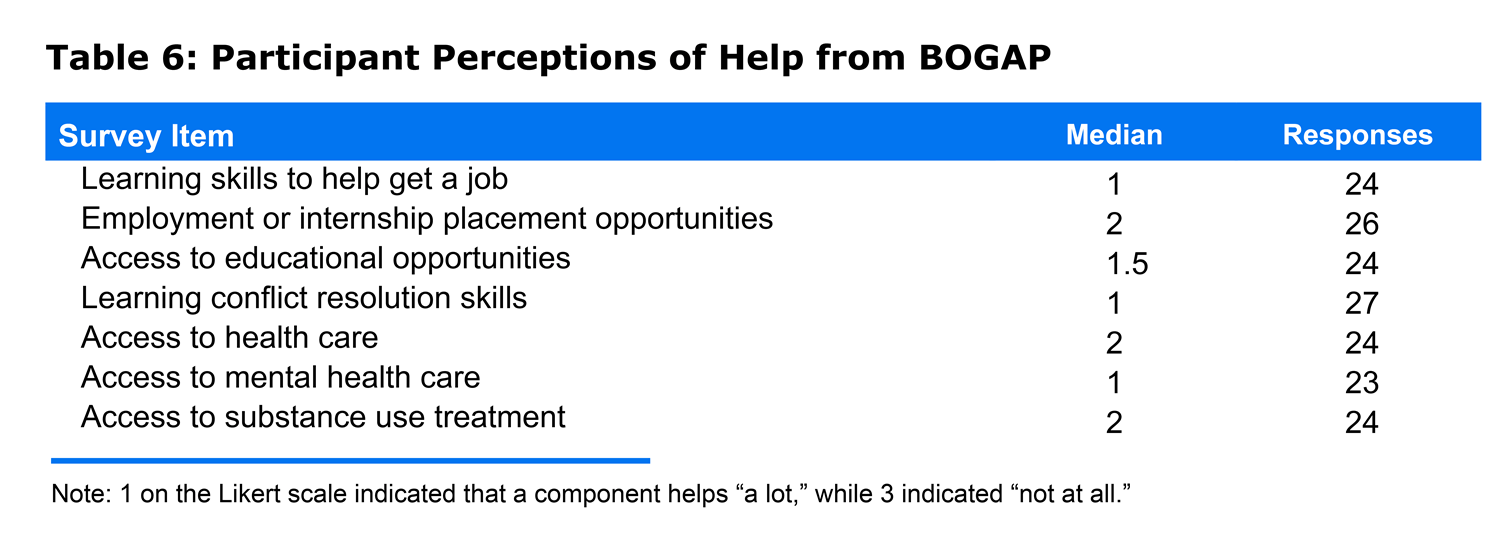
During interviews, BOGAP participants shared their perceptions and experiences with the research team, often reporting positive changes in their thinking and attitudes. They attributed these changes to three primary mechanisms: (1) changes in their thinking (i.e., cognitive restructuring); (2) the desire to avoid future punishment (i.e., deterrence); and (3) a motivation to work toward positive change by relying on relationships with others. The program aims to alter how participants understand and approach situations that may have previously led to violence. Participants highlighted the role of BOGAP staff in teaching them new ways of thinking and reducing their likelihood of engaging in violence or carrying firearms. In their responses to the study’s surveys, participants indicated that the program also enhanced their conflict resolution skills. As participants internalize these changes, they begin to hold themselves responsible for their own success and for that of others in their BOGAP cohort.
Program staff work to provide participants with strategies that can slow their reactions to threats and confrontation, carefully evaluate each situation, and consider reasons to avoid violence rather than engage in it. Staff routinely help participants internalize what they hear in the program, using creative methods to help them visualize the messages and relate discussion topics to personal experiences. In one exercise, for example, staff ask participants to fill in two circles on opposite walls, one with positive things they care about and the other with negative things they want to put behind them. Participants learn communication strategies to de-escalate tensions with others and then practice those skills in group settings. Constant support from BOGAP staff motivates participants to stay engaged with the program and continue working towards positive life changes.
Woven into the BOGAP curriculum are reminders of what participants may face if they fail to change their behavior. Participants who fail to complete the program and satisfy the conditions of their plea deal face the risk of felony conviction and possible incarceration. Their desire to avoid punishment through the criminal justice system, especially after narrowly avoiding felony prosecution, and to avoid future legal issues and the social costs of conviction and incarceration, helps participants see BOGAP as an opportunity rather than punishment. After becoming involved in BOGAP, participants tend to have more positive views of the future. When researchers asked about their life goals, opportunities, and future outlooks, participants generally reported greater optimism.
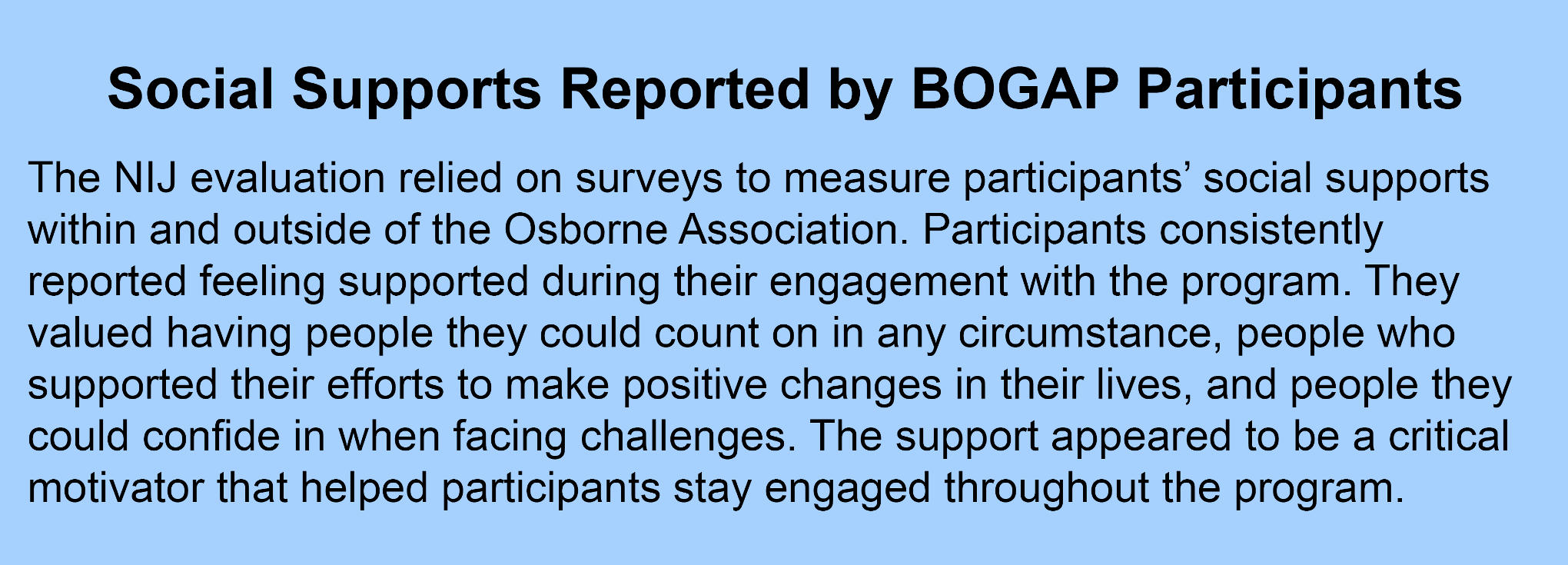
Changes in participants’ thinking and behavior were bolstered by the support they found inside and outside the program. Some participants began to feel more supported by family members and loved ones, and many reported finding social support from the sense of community within BOGAP. As a group, participants entered the program with similar experiences of growing up “in the streets.” During their time in the program, strong bonds formed among individuals who might otherwise have been likely to engage in conflict. Some BOGAP participants even described the community they joined in the program as more important than their peer community outside BOGAP.
Being in a community with other BOGAP participants serves as an external source of social control, helping participants hold one another accountable and sustain efforts to achieve BOGAP milestones. Simultaneously, they become sources of social support with a network of others willing to discuss topics that may not be suitable to share with staff. Participants learn from and educate one another, helping each other explore new ways of thinking and approaching challenges. The more they become invested in BOGAP, the more participants may not want to risk letting down their fellow cohort members or the BOGAP staff who trust and believe in them.
Empathy is important for helping individuals understand others’ perspectives and manage emotions. Study surveys suggested that BOGAP participants may have come to see themselves as more empathetic and able to self-regulate. When asked about their responses to distress, sadness, and weakness in others, participants generally believed they were better able to recognize these needs and to be supportive. Many participants believed they were learning to work through their own judgment and negative feelings toward others, while considering others’ experiences and perspectives to avoid arguments. Believing themselves to be empathetic and able to work through negative feelings may help participants be more open to the material presented by BOGAP staff and better positioned to work through difficult topics with others in their program cohort.
Court Component
In addition to attending regular program hours, BOGAP participants have monthly court hearings before a judge who oversees the program. BOGAP staff play a central role in preparing participants for court, especially those navigating the legal system for the first time. They coach participants on professional presentation, punctuality, courtroom expectations, and communication with court officials. The BOGAP court liaison accompanies participants to each hearing and speaks with the court about each participant’s progress in the previous month. Successes are highlighted, but failure to meet program standards may result in a corrective action plan. Over time, many participants become more confident and accountable during these hearings, evidenced by improved eye contact, independent communication, and appropriate courtroom demeanor. These changes are interpreted by staff as visible indicators of personal growth and the possible efficacy of BOGAP programming.
Participants receive support in court from other sources. The same judge who oversees a BOGAP case from initial plea through final disposition may ask personal questions, check on a participant’s well-being, and emphasize the participant’s ability to shape their own future. The judge builds personal connections with participants by offering constructive feedback and sharing personal experiences. The tone of the hearings is supportive and focused on investing in the future and well-being of participants and their community. The judge consistently reinforces key program milestones, emphasizing the importance of attending the program and completing the 90-day cooling-off period without a new arrest, and always framing the program as a temporary, achievable challenge.
Collectively, the judge, District Attorney staff, and Osborne staff are committed to helping participants experience and overcome challenges rather than simply failing them from the program. Participant accomplishments, such as earning a GED, securing employment, or completing the cooling-off period, are often acknowledged with applause in the courtroom. When a participant is struggling to meet goals, the judge and DA staff set specific, actionable goals to achieve by their next appearance, such as making up missed classes, returning with career goals, or providing the court with employment documentation. BOGAP staff collaborate with the judge and the DA’s office to keep participants moving smoothly through the program towards successful completion.
Employment Component
Another critical task of BOGAP is job readiness. Staff work closely with participants to connect them with employment opportunities. Some participants enter the program already employed and satisfied with their current job, but many are pleased to engage with Osborne’s in-house employment specialists and resources. This can include connecting with career training, attending job fairs, pursuing licensing and certification, and taking paid internships. Program staff members provide hands-on support, helping participants through the process of entering the workforce. When the research team asked for examples, participants and staff described their collaborative efforts, including creating resumes, teaching participants how to dress for job interviews, and conducting mock interviews. The goal is to help participants secure a job that will enable them to be self-sufficient and stable beyond BOGAP.
Participants were referred to many other service providers during their time with BOGAP, but employment was a major component of their experience. Staff members made a total of 142 referrals for 74 participants, including education (16 referrals), healthcare, housing, and personal finances (24 referrals), and employment (102 referrals). Employment services included job-readiness, skills training, and vocational counseling. Education referrals included help with college, GED, and high school equivalency. Other services helped participants with Medicaid, SNAP, cash assistance, mental health assessment, bank accounts, financial literacy, temporary housing, and general case management.
“I’ve had jobs since I was younger… But with this, it teaches you how to be more professional. Talk more professional, how to maneuver professionally, and, you know, build connections. … They really plug you in. They do their part.”
– BOGAP Participant
In survey responses, participants expressed confidence in their job-seeking abilities and interviewing skills, as well as their commitment to maintaining employment. At the end of their engagement with BOGAP, participants indicated that the program helped them to learn essential skills for securing future employment. They also described how Osborne staff provided concrete assistance with actually obtaining employment and/or internship opportunities during their time in the program.
Staff and Participant Perceptions
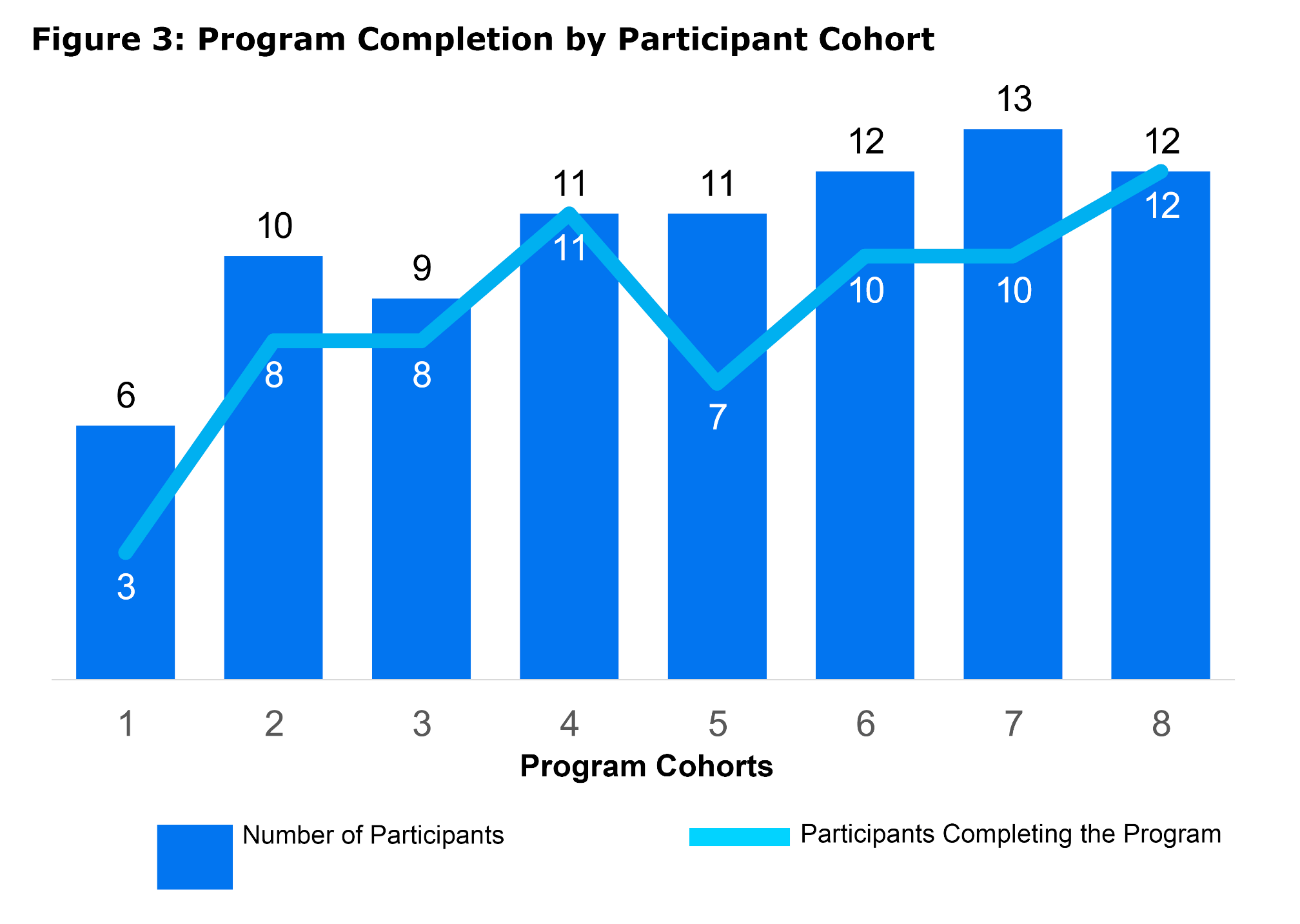
The research team examined program engagement data for BOGAP participants in Cohorts 1 to 8. The program served 84 participants during the first eight cohorts (Figure 3). More than 80 percent of the participants (i.e., 69) completed all program components successfully. The remaining 15 left BOGAP for various administrative reasons (e.g., health issues or logistical problems), or they were termed “unsuccessful,” meaning they didn’t comply fully or became re-involved in the justice system.
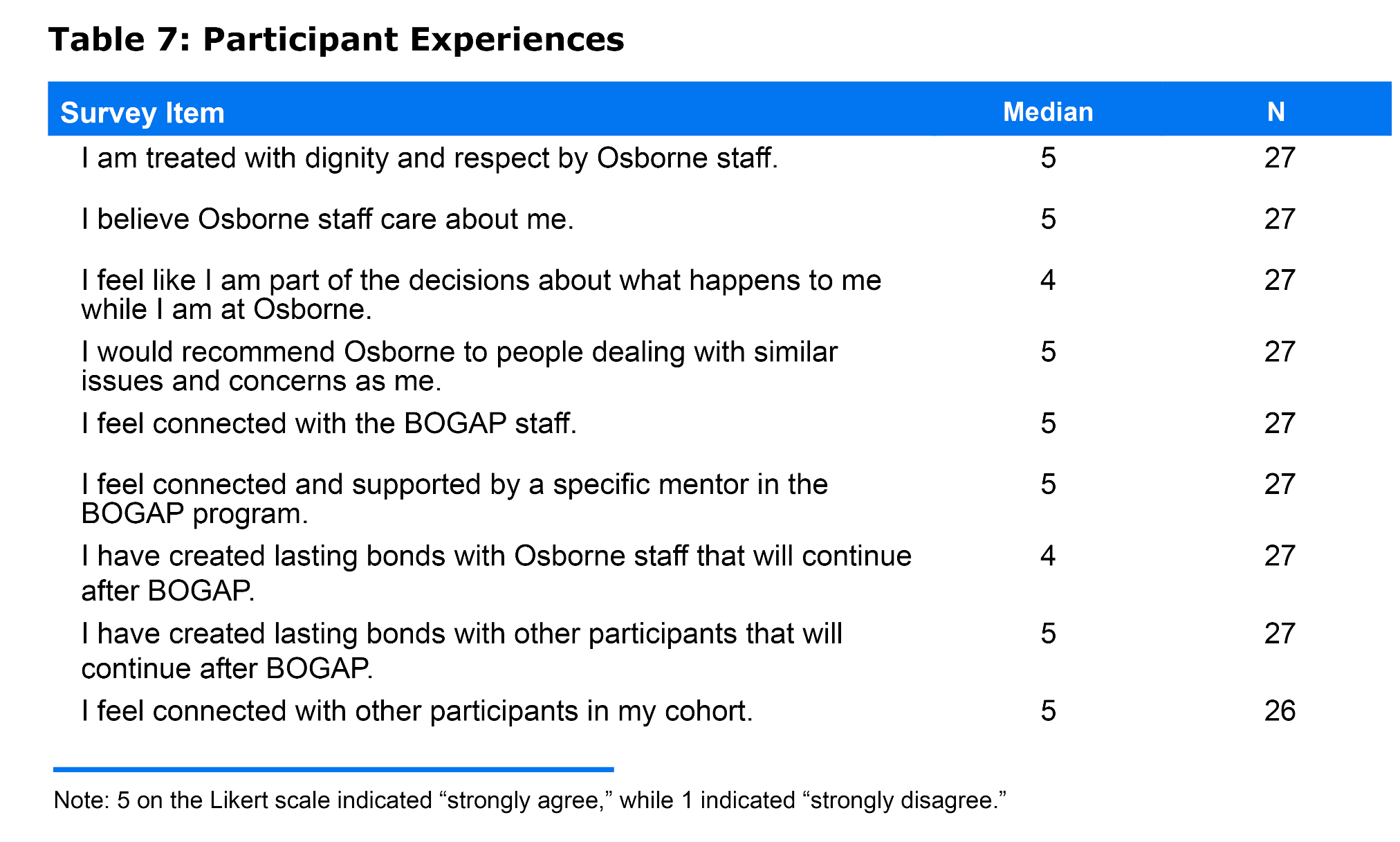
During interviews with the research team, BOGAP staff and participants expressed generally positive views of the program, and they offered suggestions for improvement and expansion. Interviewees described the program’s supportive atmosphere and strong relationships as core strengths that set BOGAP apart and made it valuable. Staff and participants alike emphasized the value of the credible messenger staff, noting that their life experiences and obvious investment in the program strengthened trust and personal connections. They described the program as authentic and judgment-free, which helped participants to feel understood and supported. Responses to evaluation surveys reflected these views. Participants reported feeling they were treated with dignity and respect by Osborne staff, that staff genuinely cared about them, and that they felt connected and supported.
Interviewees described BOGAP’s cohort model as another key strength of the program. Bringing together groups of participants facing similar charges encouraged social connections and mutual understanding. Daily group activities strengthened these bonds. When a participant would open up to the group, it encouraged others to do the same, creating shared accountability and peer support. In the final wave of the survey, completed after the 90-day cooling-off period ended, survey respondents reported feeling connected to other participants in their cohort and described meaningful bonds they expected would continue after BOGAP. Shared experiences made the program a place where people could form positive relationships and feel a sense of belonging (some even described it as resembling a family), which some participants said was otherwise missing from their lives. Survey respondents reported forming lasting connections with staff that they hoped would continue (Table 7).
Participants assured the research team that BOGAP’s therapeutic focus, centered on cognitive and behavioral development, was especially meaningful. The sessions gave them practical tools to use in real-life situations, helping them to pause before reacting, think through consequences, and control the emotions that often drive behavior. Many explained that the group activities and materials taught them to view situations from a different perspective and to approach conflict differently, with greater awareness of their own actions. Some viewed the program as providing a space for reflection, similar to counseling, while others emphasized its role in helping them develop new perspectives and decision-making skills.
Participants and staff alike contended that BOGAP’s strength was in the support participants felt during and after their involvement. The program relies on consistent relationships between staff and participants, helping them to meet their needs, whatever they might be. From a comfortable space where participants can take a break from external stresses to the guidance and care provided by staff and partners, BOGAP offers a wraparound approach that helps participants build safer, more productive futures. Survey respondents appreciated the sense of inclusion in decisions about their experiences at Osborne. Many indicated that they would recommend Osborne to others facing similar issues and concerns. Participants and BOGAP team members described numerous examples of practical assistance provided through the program. Resources and supports, including housing assistance, food access, mental health referrals, legal services, identification assistance, and clothing for interviews, helped meet participants’ basic needs and stabilize their lives beyond the program. Addressing these challenges helped participants focus on program activities. Access to basic help and resources kept them committed to the program and helped them to succeed.
In some cases, according to staff members, participants’ beliefs around masculinity made emotional openness difficult, especially in the beginning, with some participants feeling pressure to act guarded or reserved. Even so, participants described BOGAP staff as engaging and approachable, commonly noting the program’s interactive format and its focus on real-life situations and practical solutions. Several described the program as very relevant to their daily lives. While attendance required consistent effort, the program was not burdensome. At times, they even looked forward to attending.
“Participants don’t care how much you know, until they know how much you care. When they see that you really are concerned about what happens with them—they know, they feel it, they see it. What I’ve seen is they’re more willing to be receptive, and by them opening up an ear to you, that gives you the opportunity, that space, to do some of the real work.”
– BOGAP Staff Member
Prosecution and Defense Attorney Reactions
In public statements, District Attorney Darcel Clark described the Bronx as a community dealing with persistent gun violence that often failed to draw national attention because victims and perpetrators were largely minorities. However, the trauma and devastation caused by gun violence were very serious. The DA believed that addressing the root causes of criminal behavior and providing early intervention were essential to preventing people from entering the criminal justice system. Programs like BOGAP were presented as part of a broader prevention strategy to promote accountability while providing participants with support and opportunities.
DA Clark proudly noted the program’s early milestones, including the graduation of its first cohort. She pointed to declining shooting numbers in 2023 as valued progress, while recognizing that gun violence continued to take a toll on the community. The DA supported second chances and suggested that BOGAP become an enduring part of the community’s solution to gun violence. Judge Judith Lieb, who first oversaw BOGAP, praised the program for offering alternatives to traditional incarceration, noting that graduates did well in new jobs and in their personal lives. The program helped individuals and the community stay safe.
While the programmatic response to BOGAP was almost universally positive in interviews conducted by the evaluation team, legal officials reported that the initial reaction to BOGAP across the DA’s office was mixed. Some were initially skeptical about the idea of diversion for any gun-related case. The DA leadership team managed these challenges by emphasizing the office’s commitment to procedural justice and community safety. The DA herself worked to secure buy-in from senior leadership, some of whom had historically emphasized harsh sentencing as a form of accountability. The program gained support over time. Those working directly with defendants tended to embrace BOGAP more quickly. Key figures within the Bronx DA Office became more receptive to the program, supporting a shift toward diversion as the assumed pathway for eligible cases.
Even defense attorneys initially had mixed reactions to BOGAP. Some were enthusiastic; others were wary. Their primary obligation, of course, is to serve their client’s interests. It may not always be in a client’s best interest to accept a plea deal — even when there is a possibility of reduced legal consequences — as the initial BOGAP plea deal guaranteed a conviction, whereas declining to accept a plea left open the possibility of a dismissal. In the beginning phases of BOGAP, defense attorneys did not consistently advise clients to accept the BOGAP plea until other alternatives had been exhausted. The defense bar was more receptive after the 2025 change in DA protocols, which offered BOGAP as a path to dismissal rather than to misdemeanor pleas alone.
Public Reactions
In her 2023 “State of the State” speech, New York Governor Kathy Hochul highlighted continued investments in programs like BOGAP as a key to a broad public safety plan focused on supporting people and communities. The Governor believed safer communities depend on stable housing, access to health care, treatment for substance use and mental health issues, good schools, affordable childcare, and ample opportunities for living-wage jobs. Everyone needs a legitimate chance to reach their fullest potential.
Despite the Governor’s support and the program’s positive outcomes for many participants, diversion initiatives such as BOGAP always face criticism. News media focus on small numbers of cases that go wrong, even single instances, when they involve diversion participants accused of new crimes. Diversion programs can generally be positive and effective alternatives for defendants who would otherwise face convictions and costly prison sentences. Still, a small number of highly publicized cases can provoke deep concerns about community safety.
It is always challenging to communicate the success of diversion strategies to the wider community. Residents are frequently exposed to the tragedy and harms of gun violence, whether in their personal lives or in the news media. Success stories are less widely publicized. All program stakeholders (e.g., providers, courts, and public officials) are needed to raise awareness of the potential benefits of a well-managed, effective system of diversion innovations that can protect community safety in cost-effective and sustainable ways.
“It’s really great to see young people develop and blossom over time, using the new tools they’ve learned in their daily lives. To see them get something out of it, hold each other accountable, and support one another—it’s a beautiful thing to see.”
– BOGAP Staff Member
Challenges and Adaptations
During the development of BOGAP, program staff, the Bronx DA, and other public officials identified challenges and suggested adaptations and improvements. Staff described the benefits of bringing guest speakers into the program and believed participants would benefit from having even more outside experts speak at program events. Staff also valued the program’s vocational workshops, financial literacy training, GED preparation, employment-related certifications, internships, post-program job placement, and outings and field trips. Staff agreed that resources to incorporate more of these activities would be beneficial for participants. Adjusting some sections of the interactive journaling curriculum workbooks already in use could reduce topic repetition and make the material more relevant to BOGAP participants’ lives. Staff members worked to keep participants engaged and sought to improve any aspect of the program that would enhance engagement.
Staff also described ongoing needs for program flexibility. Meeting participant needs and responding to court demands would require availability beyond standard working hours and frequent scheduling adjustments. As BOGAP expanded to serve a wider age range (16 to 39, rather than 18 to 30), staff proposed tailoring services for different age groups. Adding resources for credible messenger staff and/or increasing clinical support would help the program manage workload demands and enhance support across a wide range of participant needs.
Participants echoed the need for flexibility in the program, particularly around scheduling. The most common difficulty involved balancing program hours with employment. The original program schedule (i.e., Monday through Friday, 10 am to 2 pm) could conflict with participants’ work schedules, making it harder for them to maintain employment. A few participants described their efforts to reduce working hours, switch to evening shifts, pause employment, or seek different jobs to attend BOGAP consistently. Participants recommended that the program provide temporary income support to avoid financial challenges that could lead to temptation. Some participants struggled initially with the daily commute to the program site, but these challenges often subsided as they adjusted to the program’s structure.
As BOGAP expanded, staff stressed the need to continue improving administrative practices. The use of the Exponent Case Management (ECM) system and support from data analysts helped to ensure consistent data entry practices and case recording, as well as a more streamlined referral and intake process. Staff members recommended other refinements to simplify data-related tasks and reduce administrative burdens, especially in light of the unexpected funding cuts. Their suggestions included streamlining attendance tracking, updating databases to make modifications easier, using mobile devices to allow real-time data entry, and providing more assistance from the program data analyst for staff who are less familiar with data systems. Staff members viewed such enhancements as critical not only for maintaining program records but also for increasing their consistency and accuracy, enabling staff to focus on participant progress and increase overall program efficiency.